When it comes to hiking, having the right gear can make all the difference between an enjoyable adventure and a challenging ordeal. Many people believe that any bag can serve as a hiking backpack, but this is far from the truth. The right hiking gear not only enhances your experience but also ensures your safety and comfort on the trail. In this article, we will explore common misconceptions about hiking gear and reveal the truth behind what you really need for your next outdoor adventure.
Myth: Any Backpack Will Do
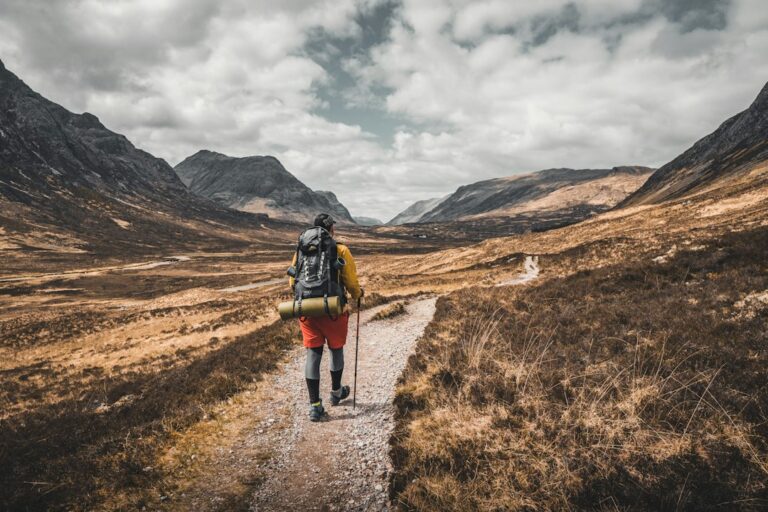
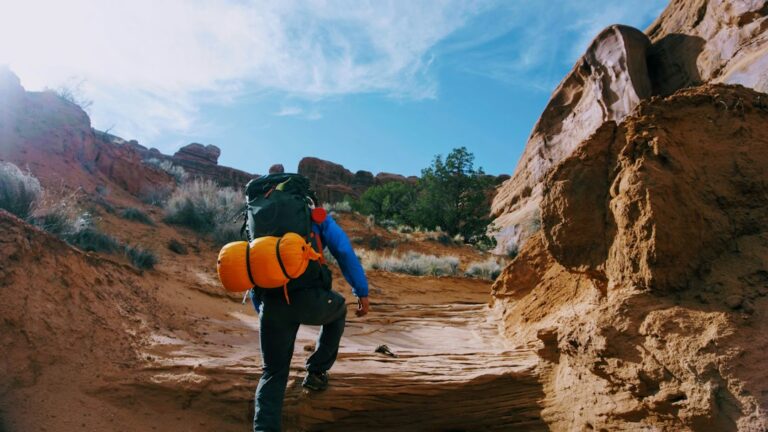
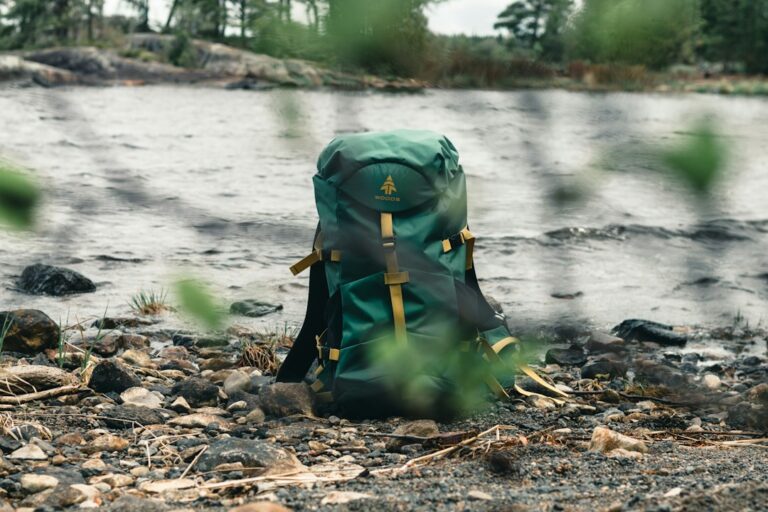
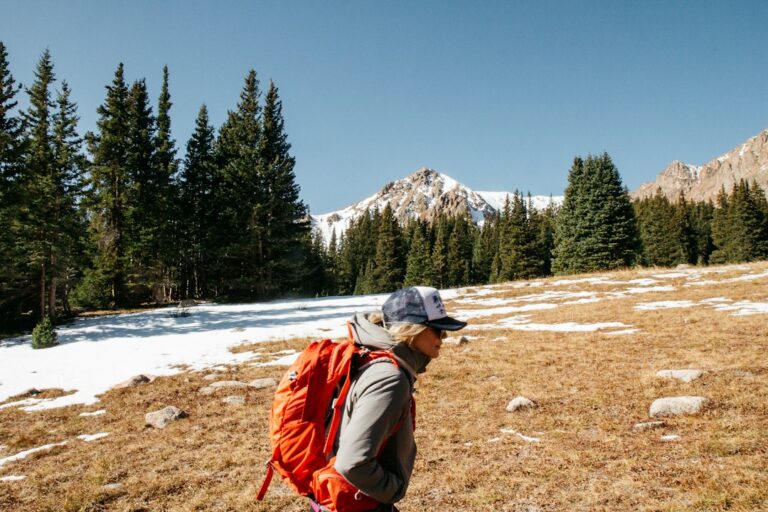
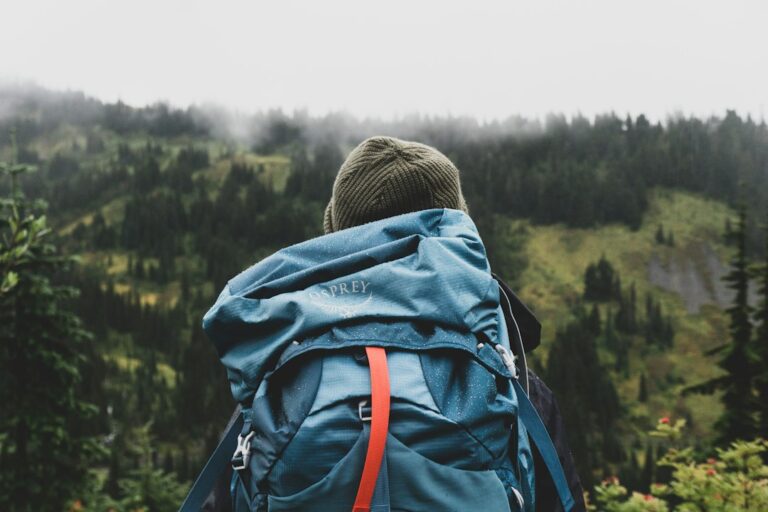
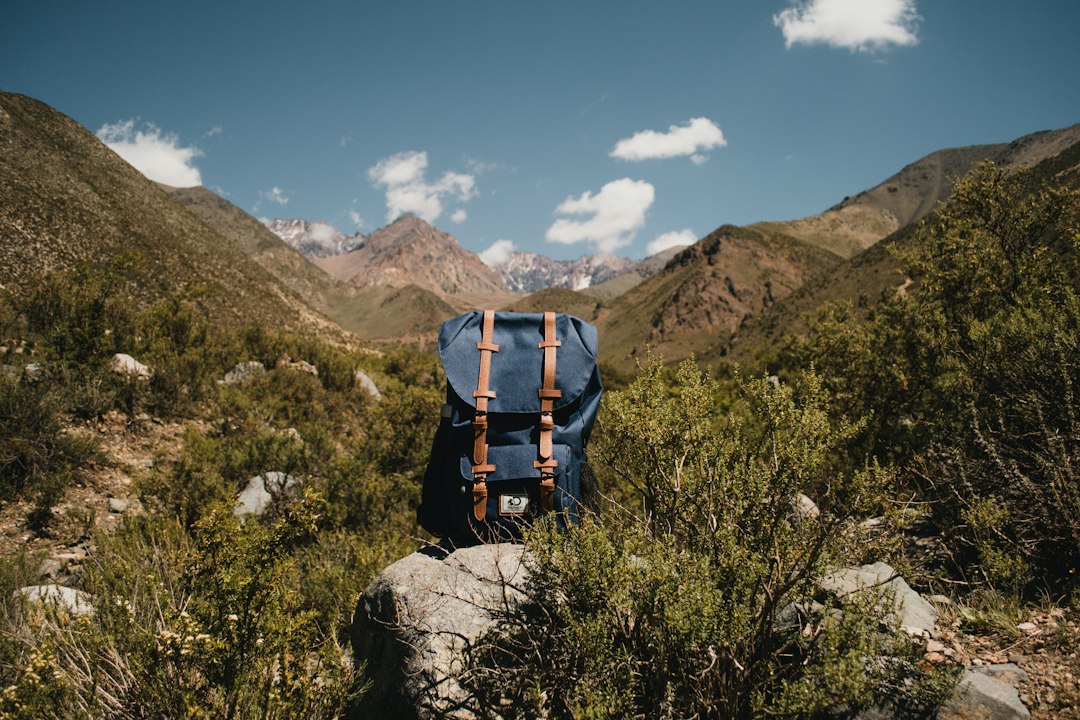
Many hikers think that any old backpack can suffice for a hiking trip. This myth often leads to discomfort and frustration on the trail. A typical school or travel backpack lacks the necessary support and features designed specifically for hiking. Hiking backpacks are crafted with ergonomic designs, padded straps, and hip belts to distribute weight evenly, making them essential for long treks.
Truth: A hiking backpack is specifically designed for outdoor activities, offering features that enhance your experience. These backpacks come in various sizes and styles, catering to different types of hikes and personal preferences. Investing in a quality hiking backpack can prevent back pain and fatigue, allowing you to enjoy the scenery without the burden of discomfort.
Myth: You Don’t Need Specialized Gear for Day Hikes
Some believe that specialized gear is only necessary for multi-day hikes or extreme conditions. This misconception can lead to inadequate preparation for even short excursions. While it may seem convenient to grab whatever is on hand, using the right gear can significantly impact your safety and enjoyment. For instance, wearing proper hiking boots instead of sneakers can provide better traction and support on uneven terrain.
Truth: Even day hikes require specific gear to ensure a safe and enjoyable experience. Investing in quality hiking boots, moisture-wicking clothing, and a reliable backpack can make a world of difference. Additionally, having the right accessories, such as trekking poles and hydration systems, can enhance your performance and comfort on the trail.
Myth: You Only Need Gear for the Trail
Another common misconception is that hiking gear is only necessary while on the trail. Many hikers overlook the importance of having the right gear before and after their hike. Proper clothing and accessories can protect you from the elements, whether it’s sun exposure or sudden weather changes. Failing to prepare adequately can lead to discomfort and even health risks.
Truth: The right gear extends beyond the trail itself. Layering your clothing is crucial for regulating body temperature, especially in unpredictable weather. Additionally, having a good pair of sunglasses, a hat, and sunscreen can protect you from harmful UV rays. Preparing for all aspects of your hike ensures a more enjoyable experience from start to finish.
Myth: Expensive Gear is Always Better
Many hikers assume that the most expensive gear is the best. This myth can lead to unnecessary spending and disappointment. While high-quality gear often comes with a higher price tag, it’s essential to evaluate your specific needs and budget. Not all expensive items are necessary for every hiker, and sometimes, mid-range options can provide excellent performance without breaking the bank.
Truth: The best gear for you is the one that fits your needs and budget. It’s important to research and read reviews to find gear that offers the best value for your specific hiking style. Additionally, consider purchasing gear during off-seasons or sales to save money while still acquiring quality equipment. Finding the right balance between cost and functionality is key to a successful hiking experience.
Myth: You Can Skip Testing Your Gear
Some hikers believe that they can simply purchase their gear and hit the trail without any prior testing. This misconception can lead to unexpected issues during hikes. It’s crucial to familiarize yourself with your gear before embarking on an adventure. Whether it’s adjusting straps on your backpack or breaking in new boots, testing your gear ensures that you know how to use it effectively.
Truth: Testing your gear before hitting the trail is essential for a smooth hiking experience. Take the time to wear your boots on shorter walks to break them in and ensure they fit properly. Additionally, practice packing your backpack to find the best way to distribute weight and access your essentials. By preparing in advance, you can avoid discomfort and focus on enjoying the beauty of nature.