When it comes to hiking, having an organized bag can make all the difference between a pleasant adventure and a frustrating experience. At hikingsgears.com, we understand the importance of packing efficiently, ensuring you have everything you need without the hassle of rummaging through your bag. This guide will provide you with actionable tips to maximize your hiking bag’s efficiency, allowing you to focus on the beauty of nature rather than the chaos of your gear.
Assess Your Needs
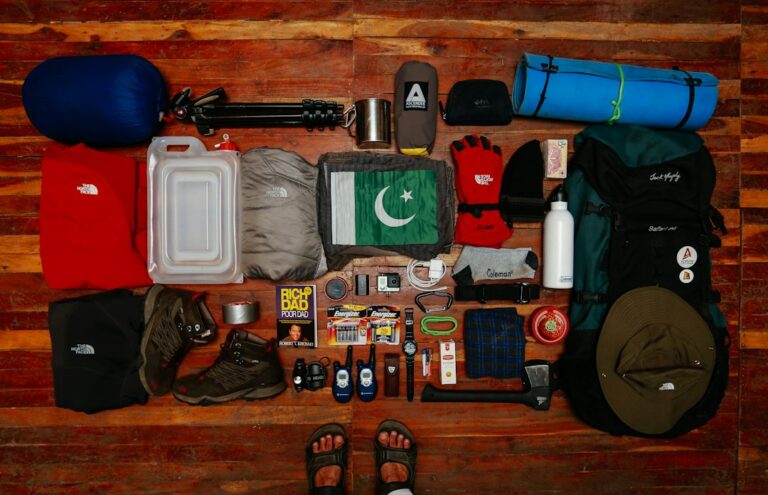
Before you even start packing, take a moment to assess what you will need for your hike. Consider the duration of your hike, the weather conditions, and the terrain you will encounter. This assessment will help you determine the essential items to include in your bag, such as water, food, first aid supplies, and navigation tools. By knowing exactly what you need, you can avoid overpacking and ensure that your bag remains lightweight and manageable.
Once you have a clear idea of your needs, make a checklist of the items you plan to bring. This checklist will serve as a guide during the packing process, ensuring you don’t forget anything important. Remember, the goal is to pack smartly, so prioritize items that are versatile and multi-functional. For instance, a lightweight jacket can serve as both a windbreaker and a layer for warmth, reducing the number of items you need to carry.
Choose the Right Bag
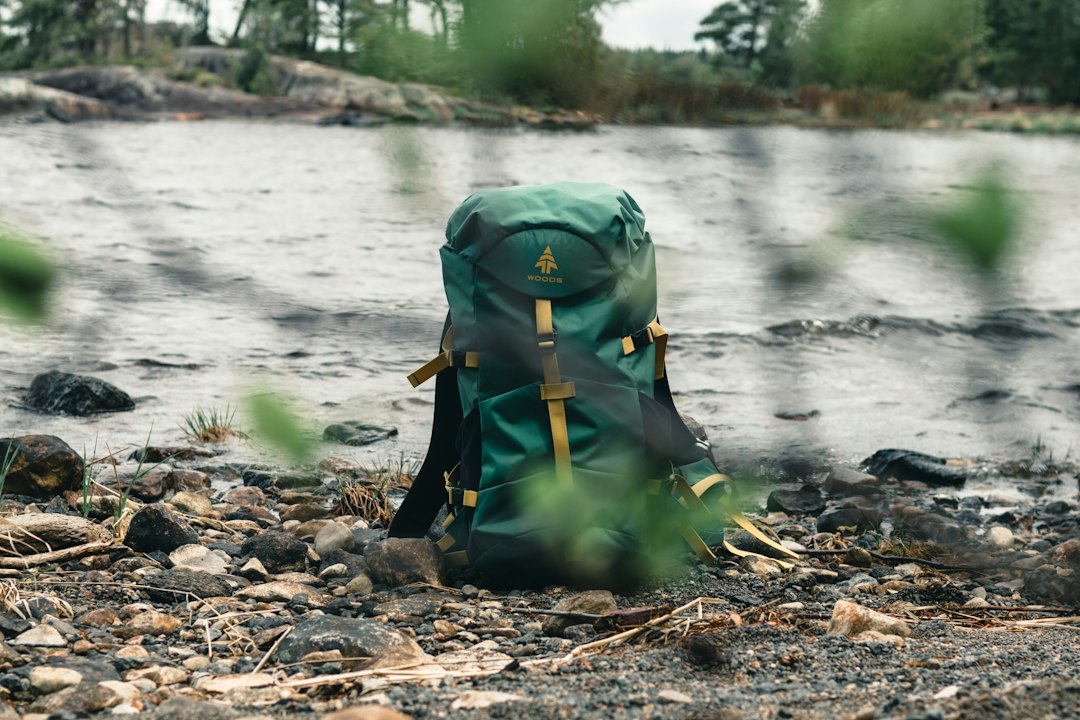
The type of hiking bag you choose can significantly impact your organization and comfort. At hikingsgears.com, we offer a variety of hiking bags designed for different types of hikes and personal preferences. Whether you prefer a daypack for short hikes or a larger backpack for multi-day treks, selecting the right bag is crucial. Look for features such as multiple compartments, hydration reservoirs, and adjustable straps to enhance your hiking experience.
Once you have selected your bag, familiarize yourself with its compartments and pockets. Understanding where everything goes will help you pack more efficiently. Utilize the various pockets for specific items; for example, keep your snacks in an easily accessible pocket and store your first aid kit in a compartment that is less frequently accessed. This strategic packing will save you time and effort when you need to grab something quickly on the trail.
Pack Strategically
Now that you have your bag and a checklist, it’s time to pack strategically. Start by placing heavier items at the bottom of the bag to maintain balance and stability. This will help distribute the weight evenly, making it easier to carry. Items like water bottles and cooking gear should be packed first, followed by lighter items such as clothing and food. By following this method, you’ll ensure that your bag is comfortable to wear, even on long hikes.
Additionally, use packing cubes or compression sacks to keep your gear organized. These tools can help separate different categories of items, such as clothing, food, and gear, making it easier to find what you need without digging through your entire bag. Remember to leave some space for any items you may collect along the way, such as souvenirs or extra layers if the weather changes unexpectedly.
Maintain Your Bag
After your hike, it’s essential to maintain your bag to ensure its longevity and efficiency for future adventures. Start by emptying your bag completely and cleaning it according to the manufacturer’s instructions. This will prevent any lingering odors or dirt from affecting your gear. Regular maintenance will also help you identify any items that need replacing or repairs, ensuring you are always prepared for your next hike.
Moreover, take the time to reassess your packing strategy after each hike. Reflect on what worked well and what didn’t, and adjust your packing list accordingly. This continuous improvement approach will help you refine your organization skills and make each hiking experience more enjoyable. Remember, an organized bag leads to a more efficient hike, allowing you to focus on the journey ahead.
Checklist:
Assess your hiking needs, choose the right bag, pack strategically.